-
Introduction – Adam
Hello everyone. This is Adam Ellis. I am a junior at MSU Denver studying archaeology with a minor focus in religious studies and geographic information systems. This adventure to Cyprus for the dig at Vigla will be my first foray into an archaeology field school and I was super excited to have the chance to do it abroad, not just for the experience and quality of the project, but as a return to traveling that the COVID pandemic put a stop to.
I am one of those non-traditional students, as I am 36-years-old and spent the past 13 years working in public safety jobs (think 911 dispatch and ambulance services). It is actually pretty invigorating to be out here working with much younger undergraduates from MSU Denver, Reed College, and Boston University. They are all really ‘good eggs’ and I wish I was half as eager and motivated in my early twenties as they are now. They give me hope for the future and a healthy dose of excitable energy.
I began this journey early with a few days stay in Athens where I took in the sites and culture, before meeting Professor Justin Stephens of MSU Denver shortly after he landed. He took the opportunity to buy me dinner for my birthday and the following day we rushed through numerous museums and a few historical sites before we boarded a flight in the evening for Cyprus. On the first full day in Cyprus, I joined the three Professors along with fellow student Olivia to see how the sausage was made. There was a meeting with the staff of the military base to discuss schedule and regulation regarding when we could and could not dig, as our site was on the periphery of various military shooting ranges. Though I had nothing to contribute to the meeting, I did see firsthand the complexity and somewhat unpredictable nature that makes up the character of the Pyla-Koutsopetria Archaeological Project. If you cannot adapt to the fluidity of the process, then work will be much more challenging. But as a local Cypriot named George came to tell me several times during a long conversation I shared with him under palm trees in the backyard of his business, “This is life. This is Cyprus.”
Until next time…
-Adam Ellis


My photo of the Statue of Zeus/Poseidon that everyone will see at least once in a textbook. -
The Cypriot Petros
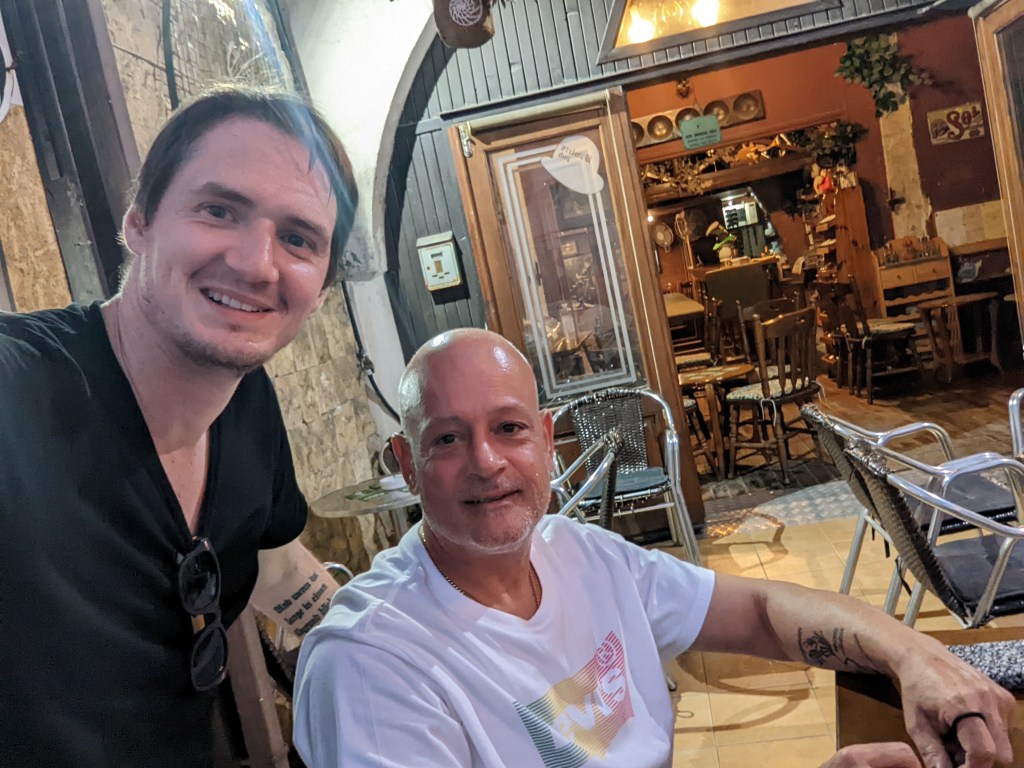
In the earliest days of arriving in Larnaca, before most of the other students had yet to arrive, I encountered a man standing in front of his business in the warm early evening. The Bowler’s Pub is located just across from the Jami Kebir Mosque, a block off the south end of the Finikoudes beach. He greeted me warmly as it seemed like he was looking to find people to patronize his establishment so I chose to sit down and order and ouzo. His name was Petros and the pub was his since 1990. He was a local Cypriot who was a wealth of information about his country and the history of the island. We covered numerous topics that night for the next few hours. You will be told numerous times by your professors about the warmth and friendliness of Cypriot and Petros was the quintessential example of this.
I continued to visit Petros at his pub frequently during my time in Larnaca, as he was excited to hear about the excavation work we were doing and I made sure to spread the word about his business and the experiences I was having there. Not only from conversation with Petros, but the numerous ex-pats from across Europe who come by the pub to have a drink and swap stories with Petros like I did.
Petros was 5 years old in 1974 when Cyprus had its most divisive conflict that redrew the borders of the nation. His village was northeast of Larnaca and everyone fled as the front quickly moved towards their quiet home. When the ceasefire agreement was made and the UN buffer zones were established, his village was caught in the ‘no mans lands’. In 2004, border crossing restrictions were lifted and he was able to visit his village for the first time along with his mother. Sadly his father died many years prior at a relatively young age. He told me about how much of the buildings had been looted, and depending on the construction of the buildings, they either completely collapsed from lack of maintenance or at the very least the roofs have fallen in. Petros still has the deed for his family home and he hopes that at some point in his lifetime the crisis and division will somehow end so he can go back and reclaim the childhood home in the village his parents used to tell him about.
If you, dear reader, chose to go on the PKAP excavations in the future, I urge to you visit his establishment and meet him for yourself. He will openly tell you about Cypriot life and culture, the changes since the war, the changes since Cyprus joining the EU in 2003, and the history of Cyprus and its relationship to both Greece and Turkey. Just make sure you tell Petros that his friend Adam sent you.
-Adam E.
-
Leaky Ceiling:
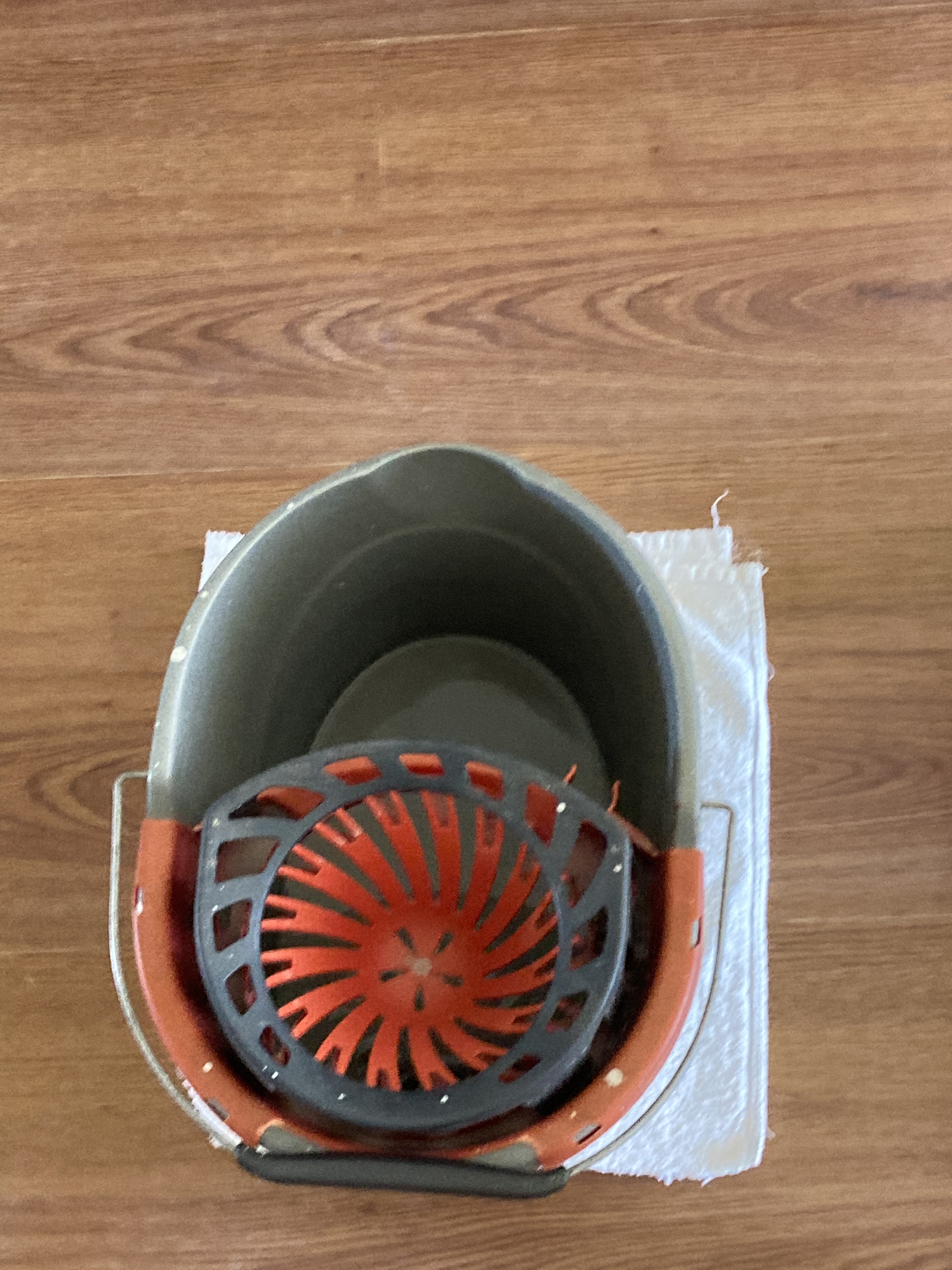
Throughout our stay in Cyprus I have felt that the quality of our apartment was far better than I anticipated prior to the trip. This is especially true when compared to the fact that my apartment back in Aurora had been lacking hot water for over a month due to a broken water heater. My only real complaints about our lodgings in Cyprus would be the size of the refrigerator and washing machine, both of which are way too small for my liking. Everything was pretty great in our apartment until this week however when we noticed a ceiling leak in the living room of our apartment on Tuesday. After reaching out to Michael the owner of the building we are staying in he decided to turn off the water in the apartment directly above us which ultimately did stop the leak for the rest of the night. Since the initial leak on Tuesday however, we have been noticing that the ceiling will occasionally begin leaking again around 9-10pm and continue dripping for maybe an hour before stopping again. Since Tuesday we have noticed the leak two more times and although it stops after about an hour I hope they are able to get someone in here to look at the pipes after we leave because I can’t imagine all this water is good for the structure of our apartment or the building as a whole. Besides the leaky ceiling I’ve really enjoyed the apartments we have been staying in and really appreciate how friendly the cleaning staff is whenever they come by.
Tristan F.

-
Πορτοκαλόπιτα
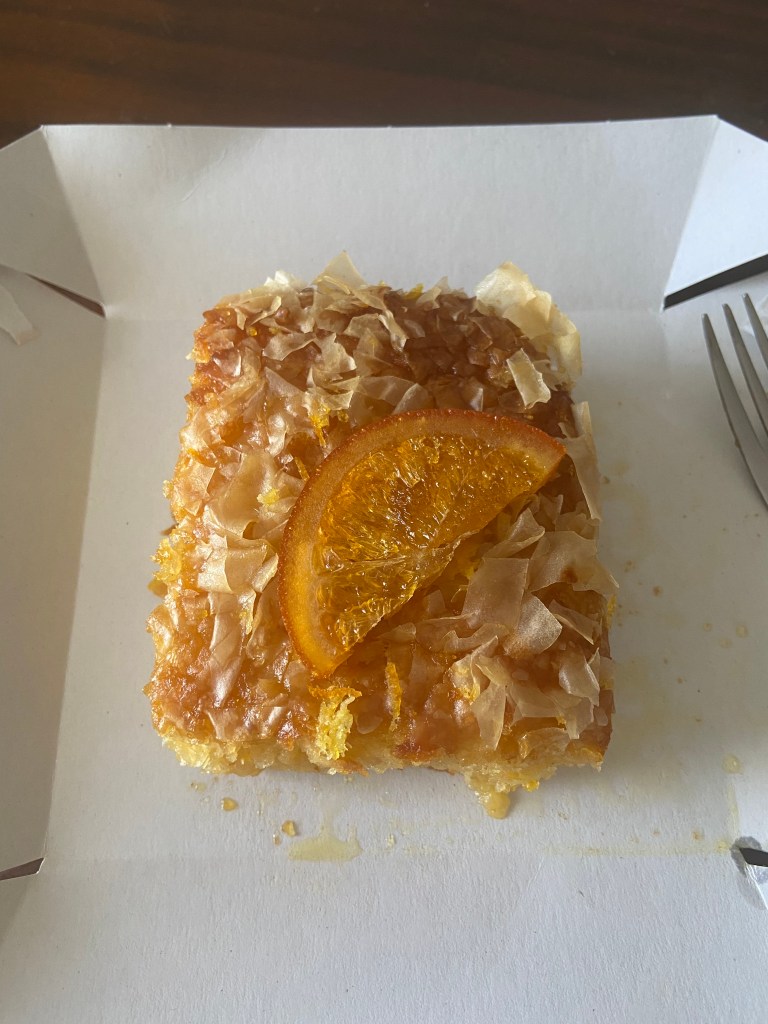
One of the highlights of my trip has been a 24-hr bakery called Zorbas. Anytime I go in there by myself, one of the ladies working there laughs at me because I go there so much. Because of its location, it’s a convenient stop after going to buy groceries at the mini market. My favorite thing to get there is Πορτοκαλόπιτα, or, ‘orange pie’. This old-fashioned Greek cake is made with Greek yogurt, and phyllo pastry, and is soaked in syrup after it’s made. The syrup is prepared before the cake and consists of sugar, honey, fresh-squeezed orange juice, and cinnamon stick. Once baked, the cake is soaked in this syrup, and, to me, the texture becomes similar to that of a tres leches cake. This cake is a popular option for treating house guests. It also makes a great pairing with Greek coffee because of its orange flavor. Whenever I go to the bakery, I always pick up this cake. Just the other day, I finally was able to get two other students to try it. The amazement on their faces immediately after the first bite made me feel proud that I introduced them to the wonders of Πορτοκαλόπιτα. It almost makes up for no one knowing what Spring Fling cake is. I usually don’t eat cake often, but I could easily eat this cake every day, even multiple times a day.
-Olivia R.
-
Figurines and Deities
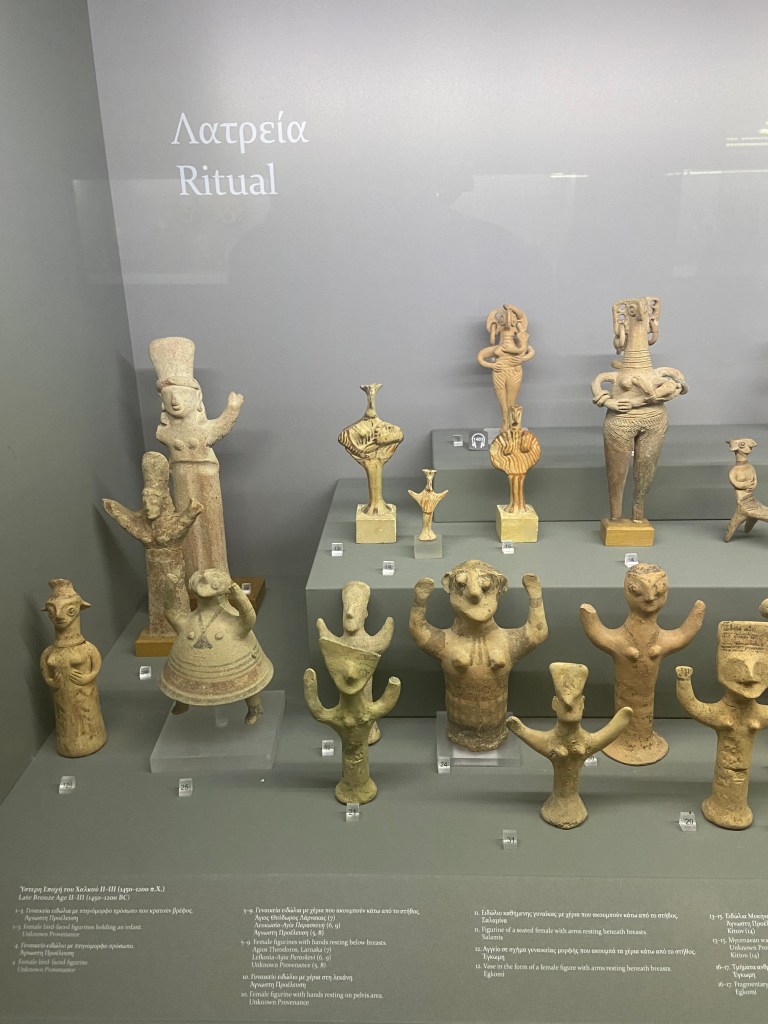
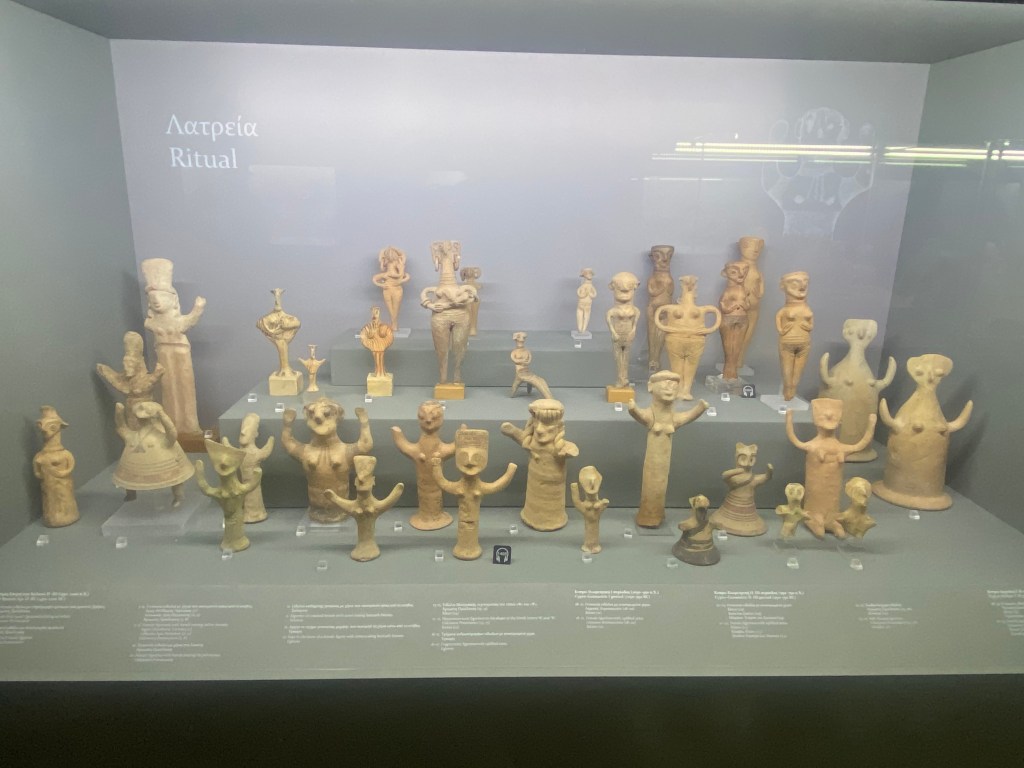
The Museum of Cyprus, located in Nicosia, houses a collection of ritualistic figurines. The figurines are shown below date back to the Late Bronze Age (1650-105 BC). The figurines are categorized into two main groups based on their characteristics. The first group of figurines has a bird-like appearance in addition to round eyes. They are usually adorned with circular earrings, and carry a baby in their left arm. These first groups of figurines are assumed to have Syrian prototypes. The next group of figurines have more naturalistic features and are more expressive. Rather than carrying an infant like the first group, this group is often depicted with their arms below their breast. Both groups are assumed to be representative of a fertility goddess. The goddess they’re associated with is Astarte, the great goddess of the east. Astarte herself is commonly associated with the ‘Great Goddess’ of Cyprus. Beginning in the Cyprus-Geometric period (11th Century BC), the third type of figurine emerges. Once again, this figurine is associated with the worship of a fertility goddess; specifically, the worship of Aphrodite-Astarte. Unlike the other two types of figures, however, it’s not entirely clear whether this third type is representative of the goddess herself, or of priestesses associated with the goddess. Regardless, all three types of figurines share a common association with the goddess Astarte, though in varying forms. The different variations of the same goddess likely point to altering religion as cultural influences change over time.
-Olivia R.
-
Larnaca Beaches:
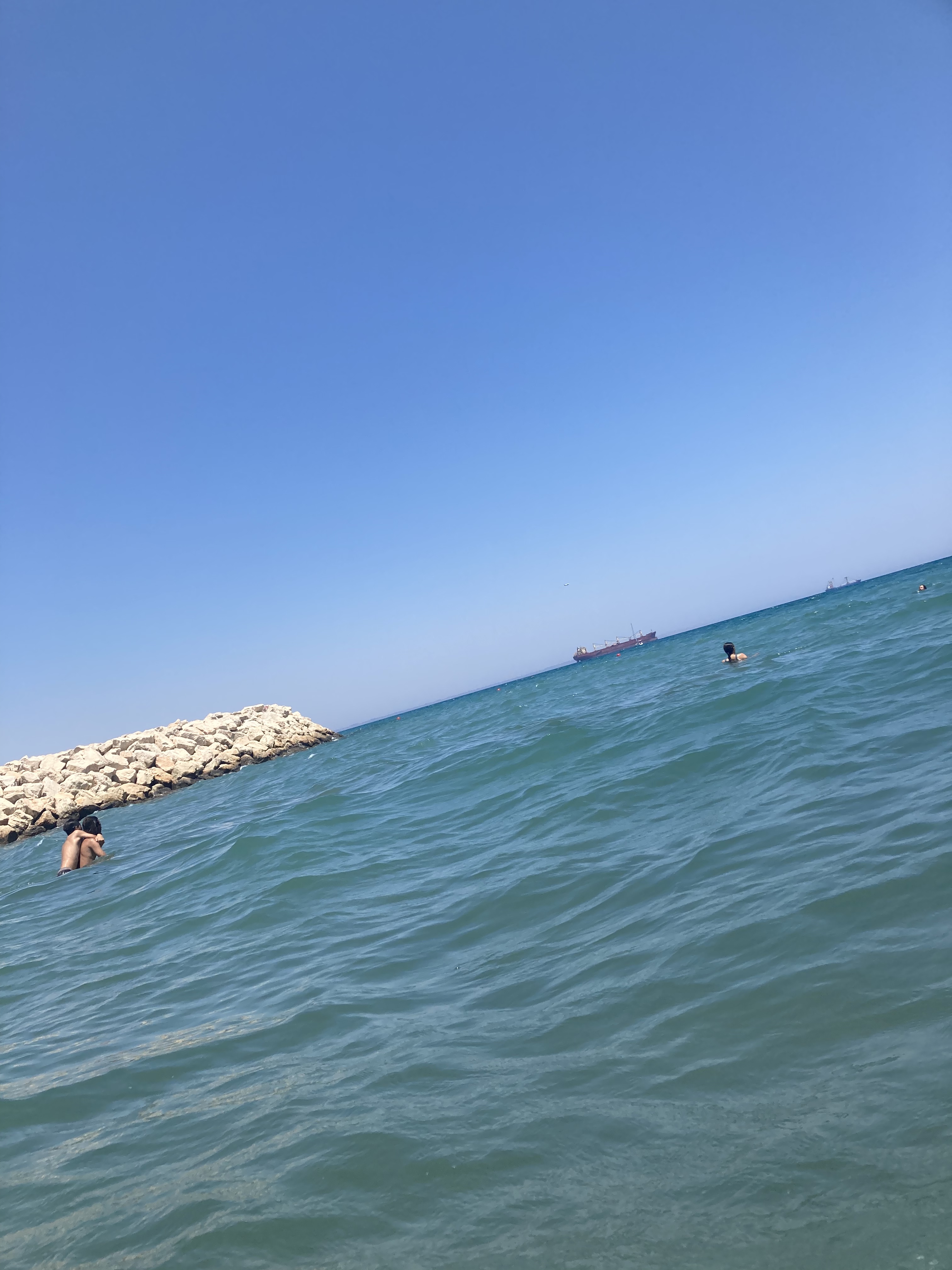
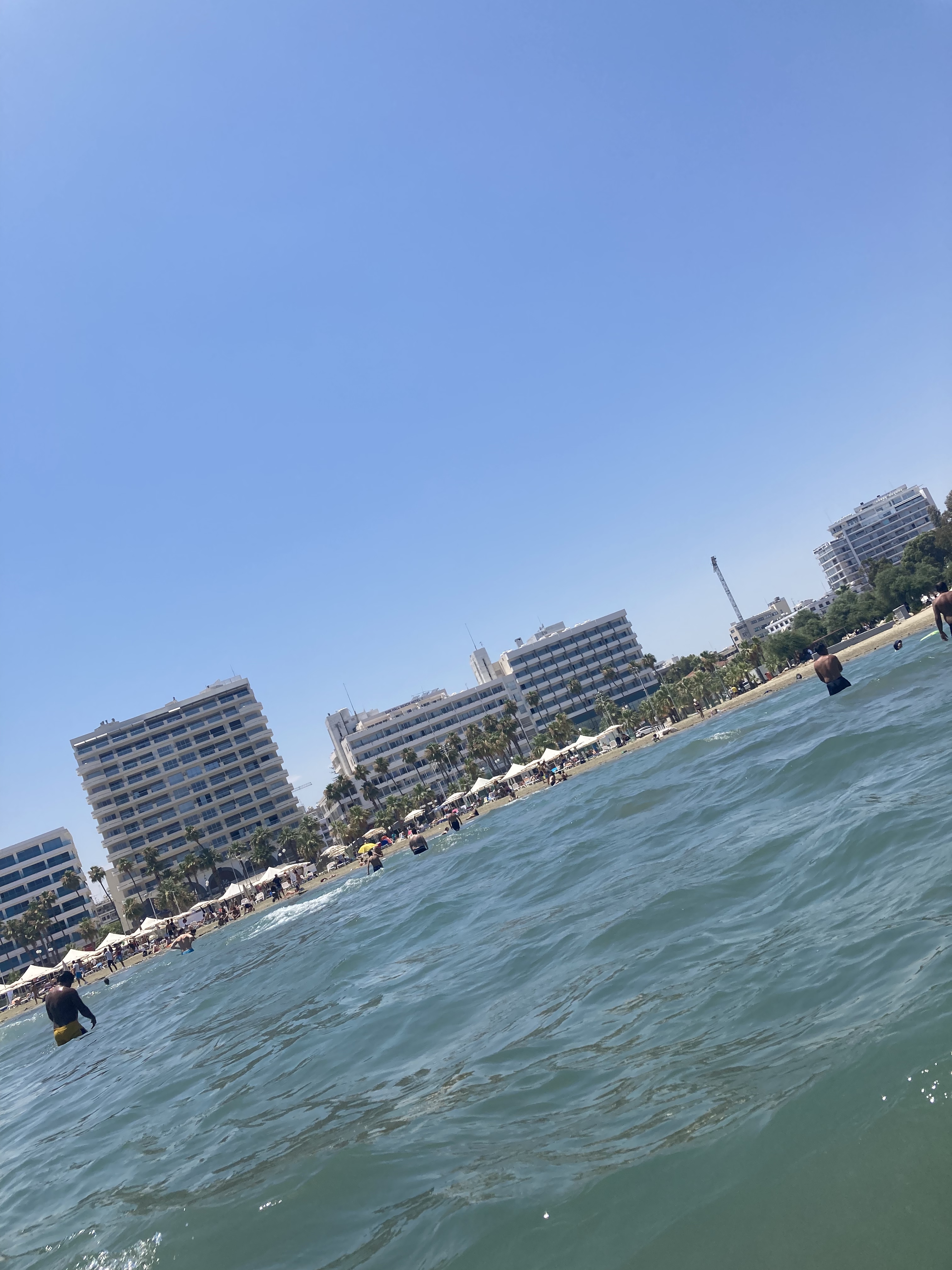
Since we have arrived in Larnaca I have made an effort to try and get out to the beach at least three times a week and it has been interesting to see how the beaches here compare to other beaches I have visited. One of the most noticeable differences I have found is how shallow and calm the beaches are here in Larnaca compared to beaches in places like Florida or California that I have visited. Although I do not have the most experience with beaches and the ocean in general it continues to blow my mind how shallow the water is here, as I feel like I have to wade out nearly 100 feet from shore to even get chest deep. I imagine having the water be this shallow is nice for families that are visiting Larnaca as it drastically reduces the likelihood of drowning, but I do however wish there was an area on the beach with a more drastic drop off so I could start swimming without having to walk out as far. I’ve also noticed that there is very little aquatic life on the beaches around Larnaca besides the occasional school of minnows, this is also a major difference from other beaches I have experienced in the U.S where crabs and jellyfish are prevalent. Although I believe it is a bit too shallow it has been really nice getting to take a dip in the ocean after spending a few hours in the sun shoveling dirt and swinging pickaxes. As a whole I do appreciate how safe the beaches appear to be in Larnaca, but overall I think I prefer beaches that have a more active aquatic ecosystem and a more drastic drop off.
Tristan F.
-
Religious Sites in Paphos:
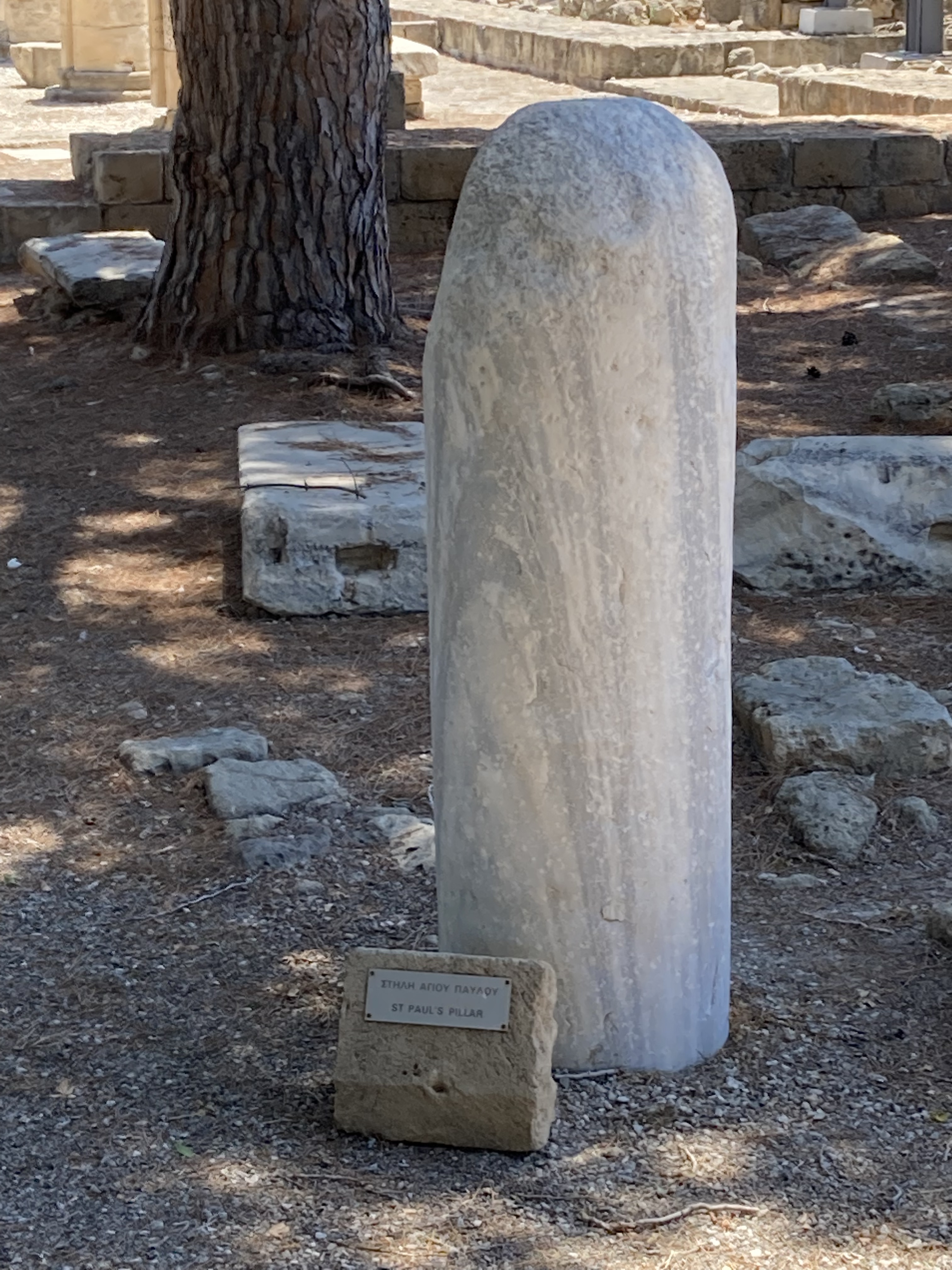
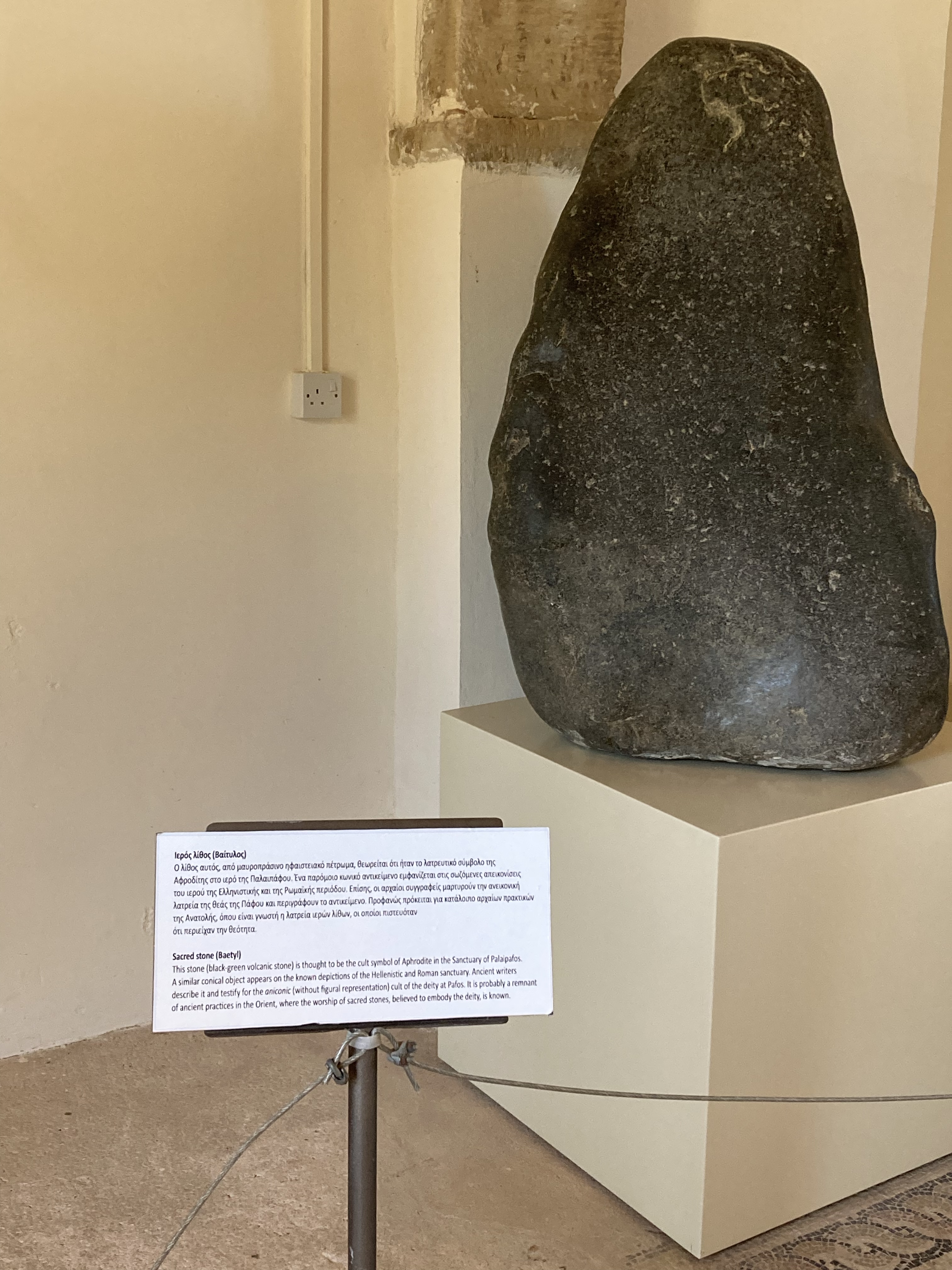
During our trip in Paphos we were able to visit some significant religious sites including the sanctuary of Aphrodite and Saint Paul’s Pillar. Cyprus is home to a number of important Orthodox Christian landmarks and Saint Paul’s Pillar is a testament to this as, the site is a prominent location for pilgrims to visit and displays noticeable markings and wear from the touch of countless pilgrims. The pillar is believed to be the site where the Apostle Paul was whipped and beaten for his attempts to convert the Paphos populace. Although Paul was severely beaten, according to Christian tradition he was ultimately successful in converting the Roman proconsul of Paphos, Sergius Paulus, to Christianity which would mark the beginning of the island’s deep rooted connection to Christianity. The pillar is surrounded by a large archaeological site which has uncovered the remains of a large basilica which had been destroyed and rebuilt numerous times in the aftermath of Paul’s journey to the city. Another religious site we were able to visit on our trip to Paphos was the Sanctuary of Aphrodite and the rock that was used to represent the goddess that would become prominent in later Greek mythology. The Sanctuary of Aphrodite was very interesting to visit as the large black stone which was used to symbolize the goddess before the later personification of the deity draws a number of parallels to other religious movements and the worship of black stones. One of the most prominent examples of this deification of black stones can be seen in the use of a black stone in the Kaaba at Mecca which remains the most important holy site of the Islamic faith. It is very interesting to see the role that black stones and meteorites have played in human spirituality and the development of religion and it is particularly interesting how this worship of stones has continued to influence spirituality into the modern era. Both Saint Paul’s Pillar and the Sanctuary of Aphrodite provide interesting historical context into the development and evolution of religion in Cyprus and how spiritual traditions can be appropriated from one religion to the next.
Tristan F.
-
Spring Fling Crisis
One day after we’d finished our work at the site, and were waiting for the cars to come back up to take us down, we got into a conversation about our favorite cakes. Everyone’s answers were fairly standard (chocolate, vanilla, funfetti); when it got to my turn, I answered Spring Fling cake. Much to my dismay, not a single person knew what I was talking about. Over the next week or so, I asked every single person at the site if they knew what Spring Fling cake was. They did not. It suddenly felt like I had just made up this mysterious cake that, despite its name, is not served at Spring Flings. Even people from Colorado had no idea what I was talking about. Back home, everyone I talk to knows what Spring Fling cake is, so I assumed it was more widely known than it is. This mysterious cake is made of three layers of zucchini-filled, white sponge cake with airy frosting and fresh fruit in between. The top of this cake is decorated with even more fresh fruit. After learning how few people knew about this cake, I looked into it more. Spring Fling is made at ‘The Market’ located on Larimar Street in Denver, Colorado. So, it is regional. Regardless, this still stands as one of my two (the other being Πορτοκαλόπιτα) cakes. If you ever have the chance, I highly recommend trying this cake at least once; even my sister who hates cake agrees that it’s amazing.
-Olivia R.
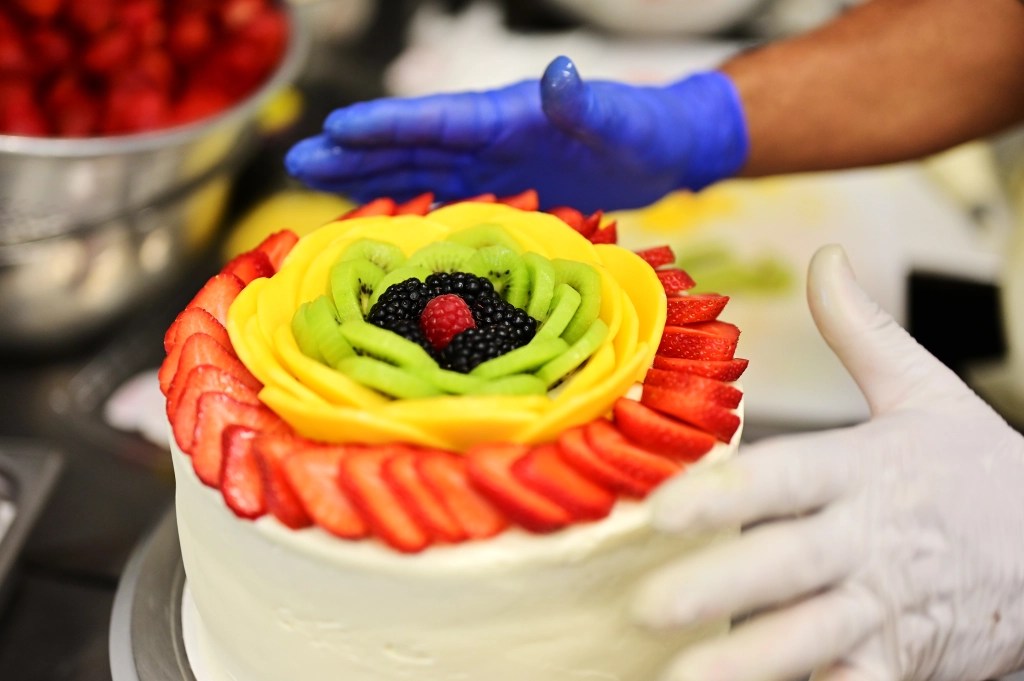
Spring Fling cake being made at The Market -
Mother’s Restaurant
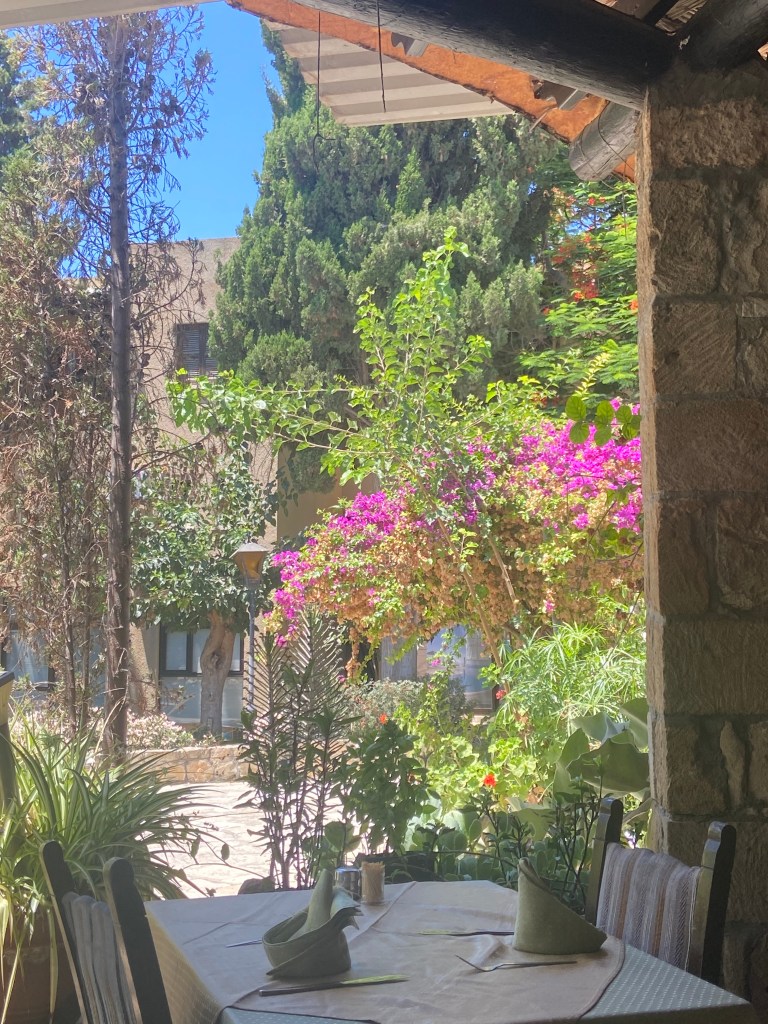
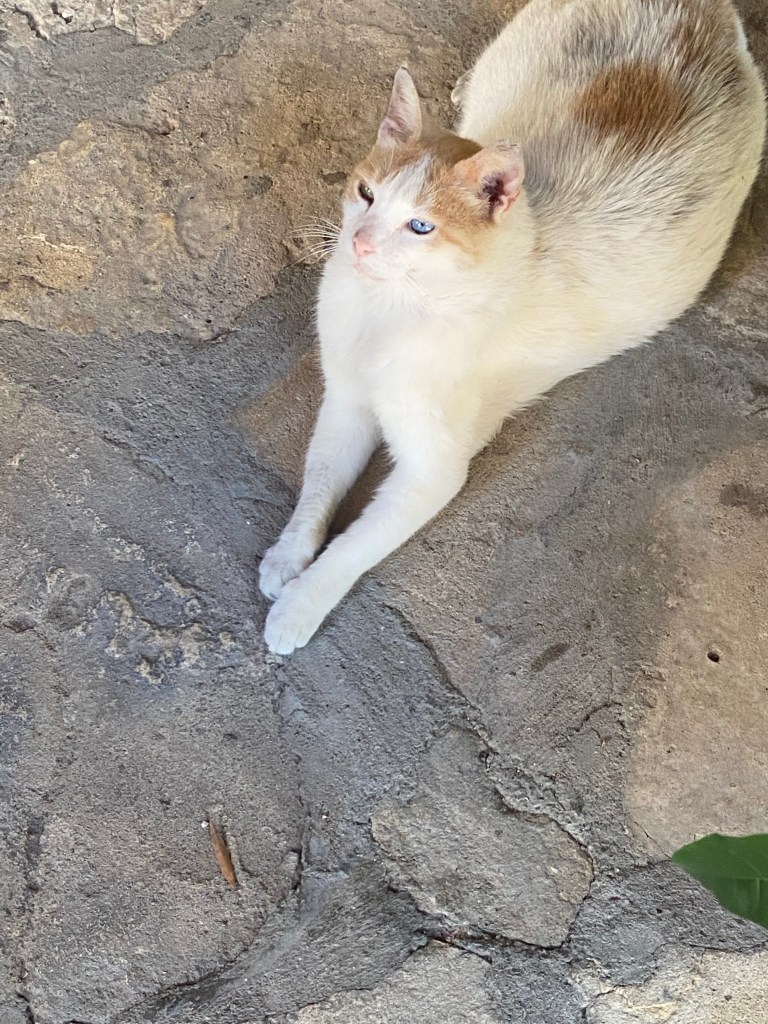
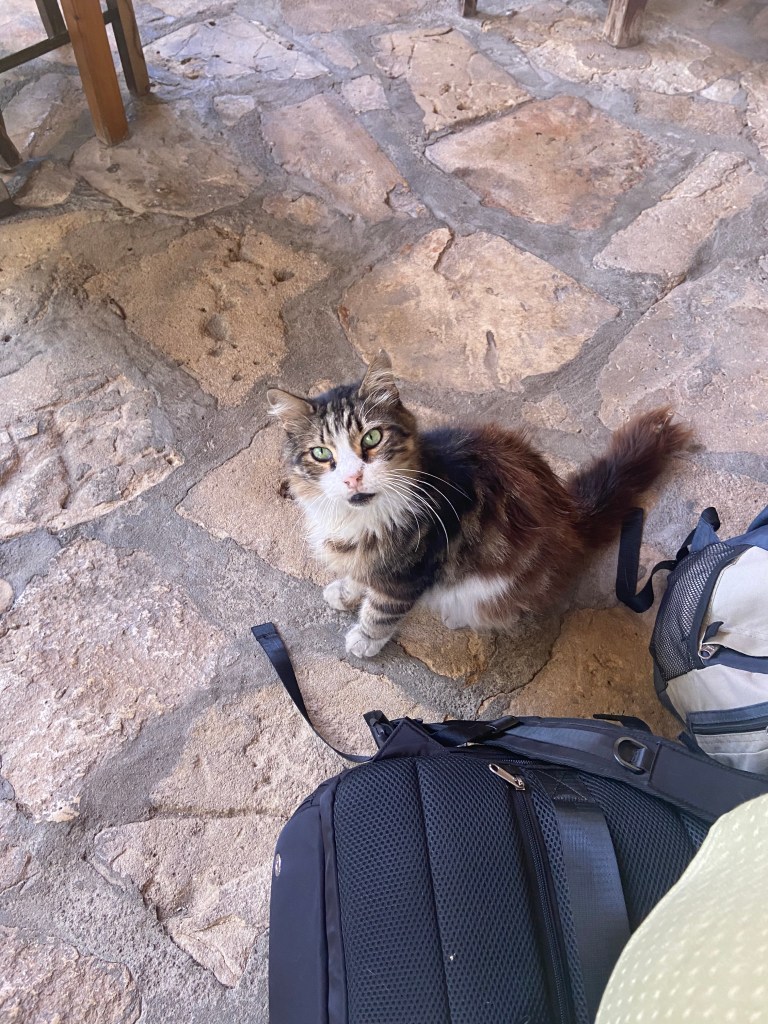
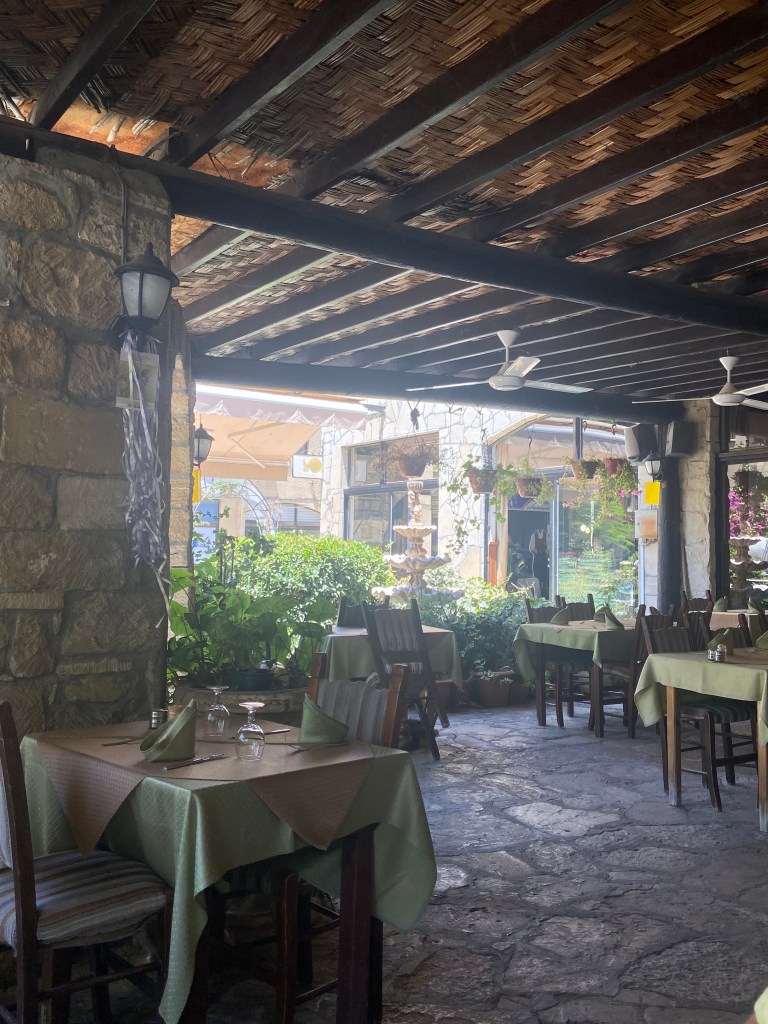
During our visit to Paphos, we (Micheal) decided to eat at a restaurant called ‘Mother’s’. After waking up early and walking around in the heat, most of the students, myself included, were considerably hangry. We were initially going to eat lunch at a place along the boardwalk, but Micheal told us he found a good place to eat on Google Maps. We all agreed to this mystery place and began our long six minute hike. Most, if not all, of us doubted Micheal in our heightened state of hangriness. We trudged behind him, ready to be disappointed. However, we were not disappointed in the slightest. We came up to a beautiful outdoor dining space lush with flowers and leafy plants, tucked on a street away from tourists. Making our way up, we were greeted by two well-fed and cared for cats. We were the only ones in there when the owner came out to welcome us in. He was super sweet and brought out amazing bread and garlic butter for us. I ordered the lamb special, which was actually my first time trying lamb. It was tender, and immediately fell off the bone. The silence after our food was brought out was a unanimous testament to the impeccable taste of everyone’s dishes. Once we had finished, he brought us a bill and a round of homemade, orange-flavored shots on the house because he said we were lovely. This was the best restaurant I’ve ever been to, and I would genuinely come back to Cyprus just to eat there again.
-Olivia R.
-
The Tombs of the Kings
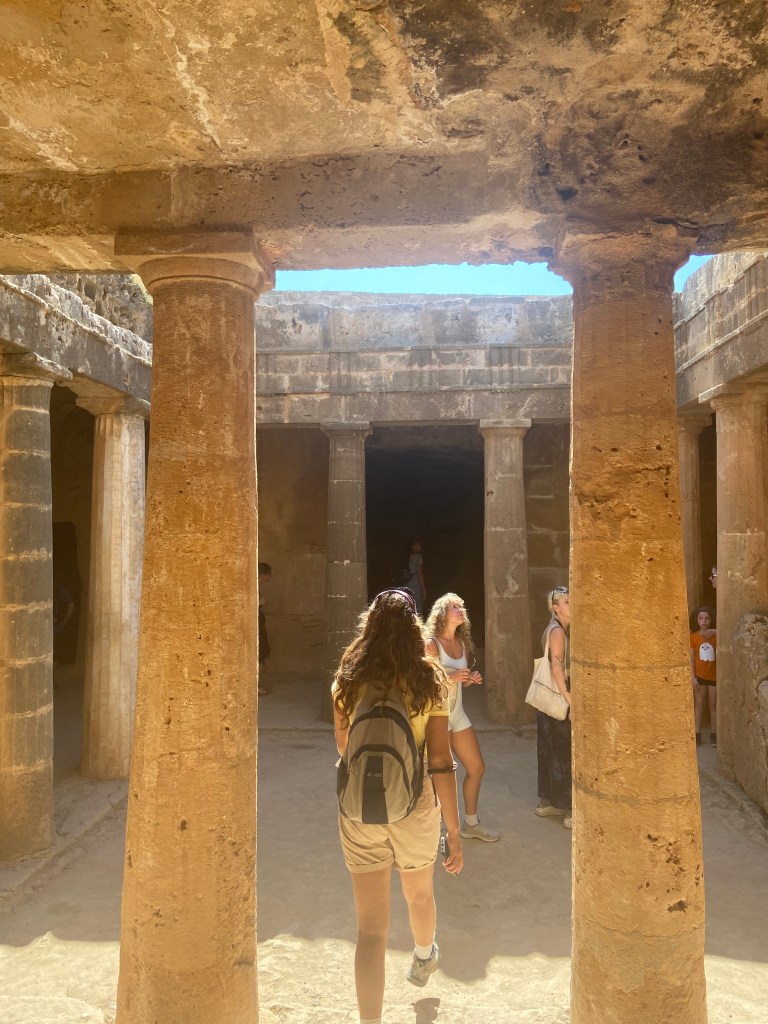
The Tombs of the kings are, as the name suggests, a collection of tombs located in Paphos. The tombs excavated here date back to the Hellenistic Period, around the 3rd century B.C. The building style of these tombs, while Greek, is also reminiscent of the same style seen in Alexandria during the rule of the Ptolemies. Although similarities in building style were similar between Paphos and Alexandria, the tombs in Paphos were communal burials rather than individual. Also, the tombs at Paphos weren’t used for kings, given the previous abolition of royalty; rather, these tombs held elite characters, such as high administrative officers, and their families. There is also evidence that these tombs may have also been used by early Christians. The structure of the tombs seems to generally be based on an open-air concept carved into large natural features of the rock. The columns surrounding the atrium of the tombs are Doric (a). These tombs would’ve been decorated with numerous frescos at the time of their construction. Though few have survived, there are remnants of paint still present, notably in tomb #3 (b). Additionally, the larger tombs consist of deep wells in the center that would’ve served a ritual purpose as people were actively being buried there. Although the architectural style of the tombs has clear adherence to Hellenistic prototypes, there is also Egyptian imagery present in the tombs. When excavated, archaeologists found two eagle statues. However, the base of the stance of the eagles’ feet seems to bear more resemblance to the Egyptian falcon god, Horus. The design of these tombs is evidence of the interesting intermingling of cultures in Cyprus, especially in conjunction with other notable sites and museums.
– Olivia R.
(A) 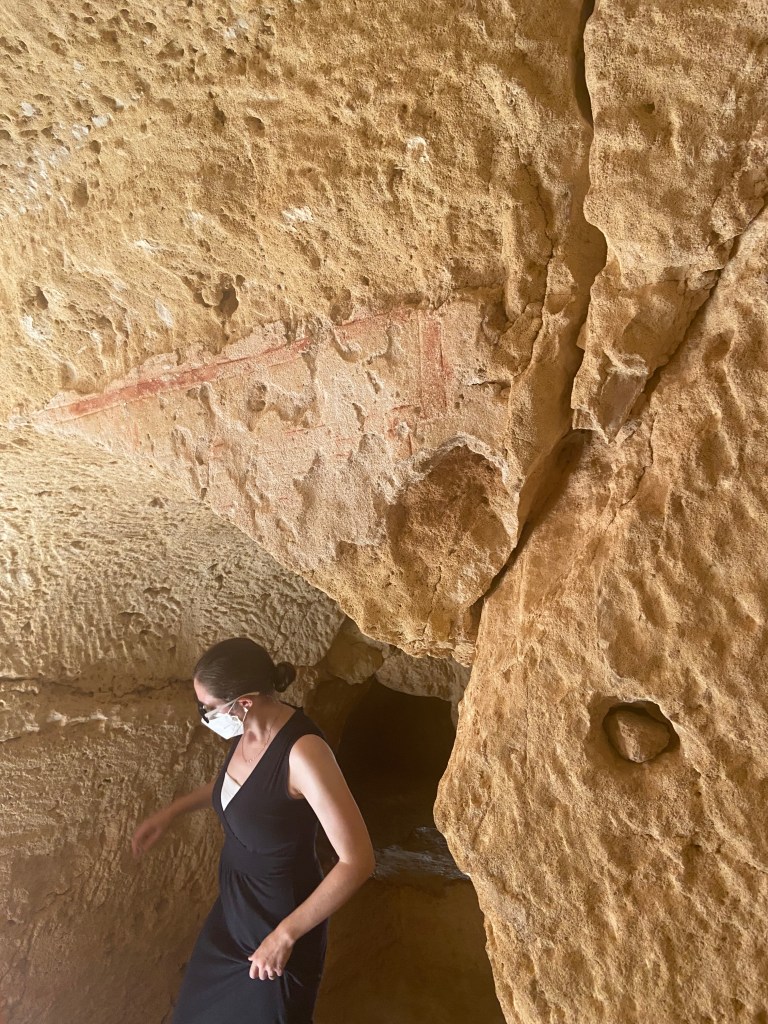
(B) 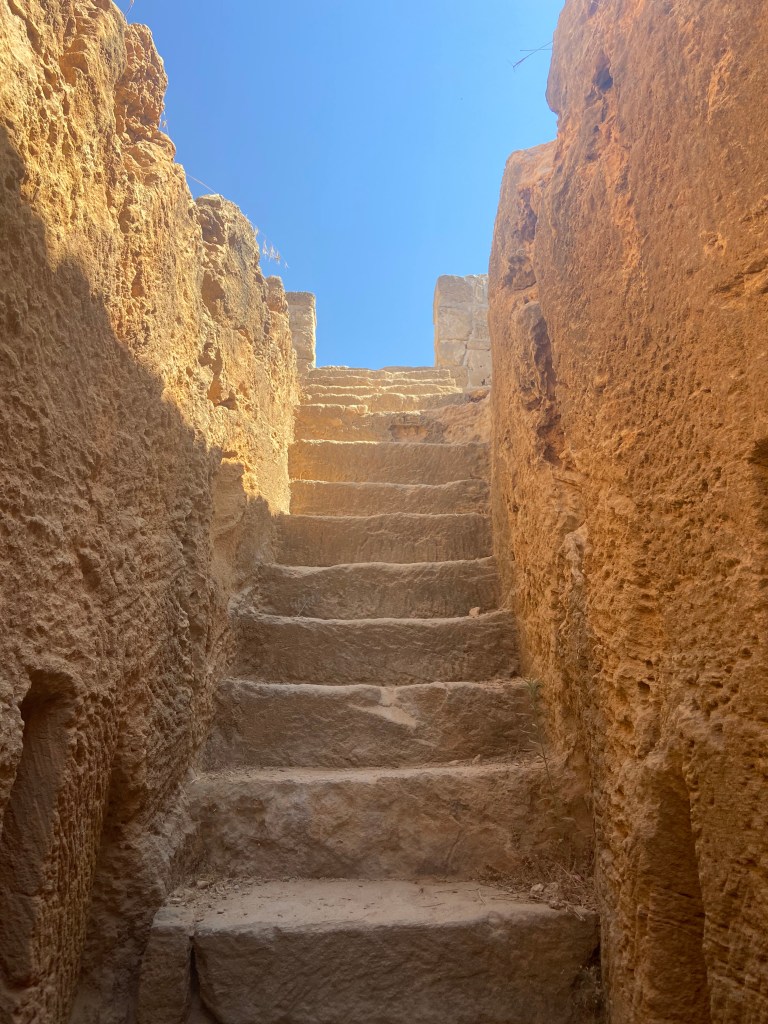
Stairs leading out of the tomb, and back up to ground level.
Study Abroad in Cyprus
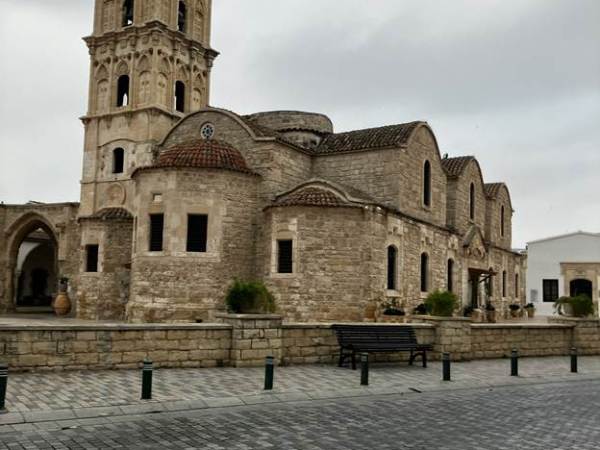
By: Arthur Pino Coming to the Old World is a new experience for me. I can say that, besides the luxuries and brands similar to those in America, it is quite different. This land has been inhabited for at least 4,000 years, according to the sign outside the Agio Lazaros (The Church of St. Lazarus).…

House of Dionysus
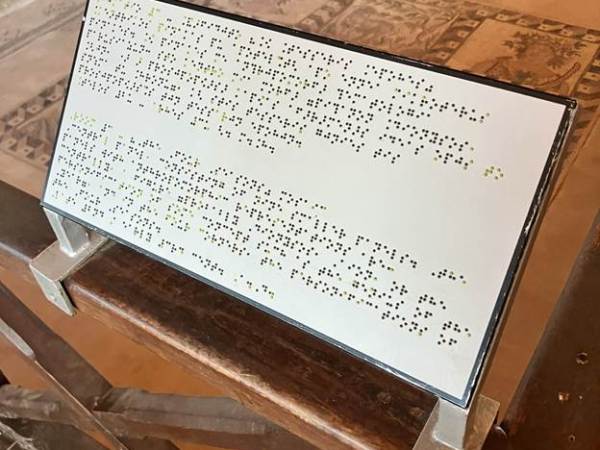
By: Arthur Pino On a field trip, we went to Paphos, where we were able to visit a “World Heritage Site.” This would be the second opportunity I have had to see one in my life within the last year; the other was Chichen Itza in Mexico. It was a very hot day, and walking…

A Big Discovery!
By: Arthur Pino Today was another hard but rewarding day. It was the first time I had worked in the trenches three days in a row, and I felt it. This day, in particular, revolved around hands. My hands themselves, and an accessory for hands. As usual, I did not wear gloves to start…
 Vigla Archaeological Project